
Summary
This article explains what it means to create creatine gummies, how the production process works, and what technical parameters matter for scalable, compliant manufacturing. It also provides practical insights for brands evaluating a custom gummy manufacturer or private label gummy partner.
Definition
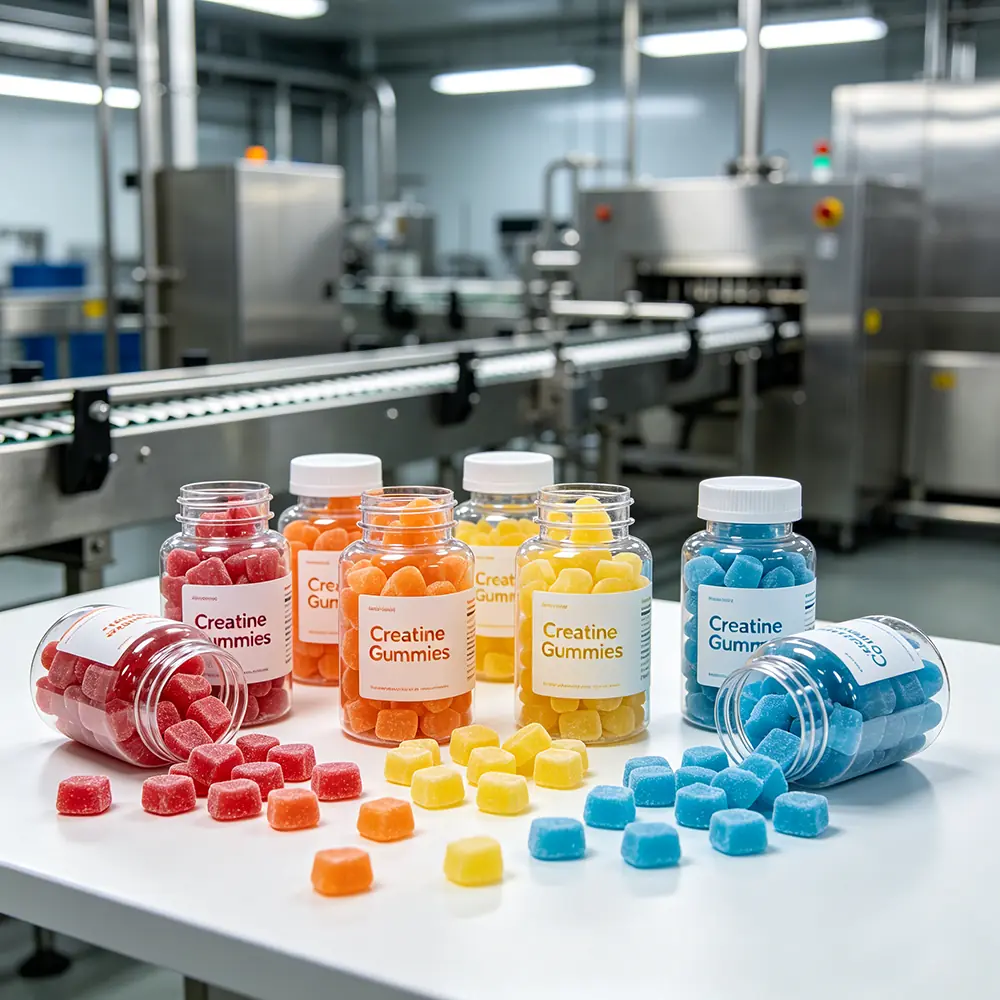
Create creatine gummies refers to the structured process of developing, formulating, and manufacturing chewable gummy supplements containing creatine monohydrate or other creatine forms. This process includes formulation design, gelling system selection, active ingredient dispersion, molding, curing, testing, and packaging.
How to Create Creatine Gummies: Step-by-Step Process
1. Define the Formula
A creatine gummy formula typically includes:
- Creatine monohydrate (commonly 500–3000 mg per serving)
- Gelling system (pectin, carrageenan, or gelatin)
- Sweeteners (sugar, sugar-free polyols, or natural alternatives)
- Flavors and colors
- Stabilizers and acids for texture and shelf life
Your uploaded document states that the manufacturer “provides end‑to‑end turnkey solutions covering product consultation, formulation development, custom design, manufacturing, packaging…” — confirming full support for formula creation.
2. Develop Prototypes
Prototype development ensures:
- Creatine dispersion is uniform
- Texture meets market expectations
- Flavor masks creatine’s natural bitterness
- Stability meets shelf‑life targets
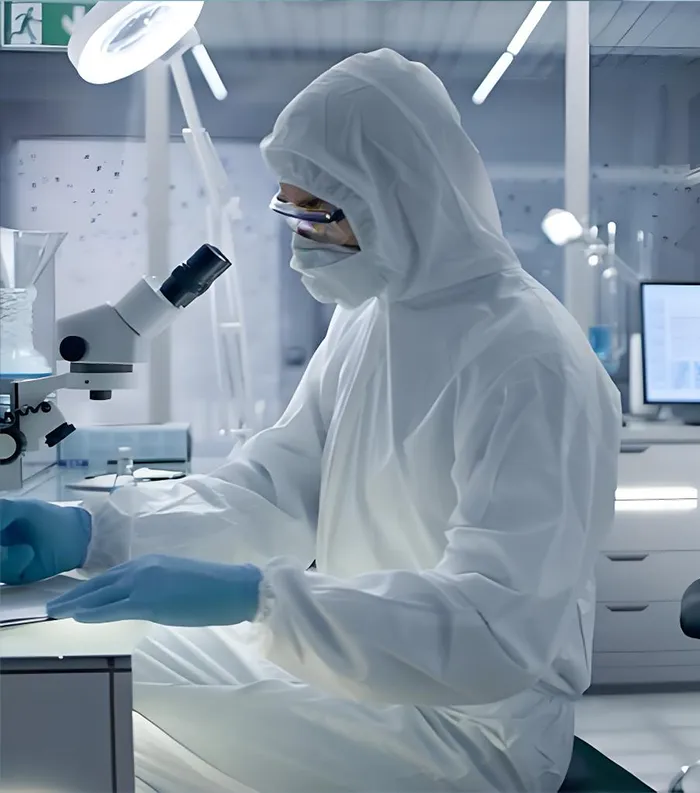
The document notes that the R&D lab is “10,000‑class pharmaceutical‑grade… enabling precise and innovative formulation development.”
3. Validate Functionality & Stability
Key validation steps:
- Active ingredient assay
- Microbial testing
- Texture and moisture stability
- Heat and humidity resistance
- Packaging compatibility
4. Pilot Production
Pilot runs verify:
- Mold performance
- Cooking temperature consistency
- Batch uniformity
- Scaling feasibility
5. Commercial Manufacturing
Full‑scale production includes:
- Cooking and mixing
- Depositing into molds
- Curing and demolding
- Sugar coating or oil coating
- Final drying
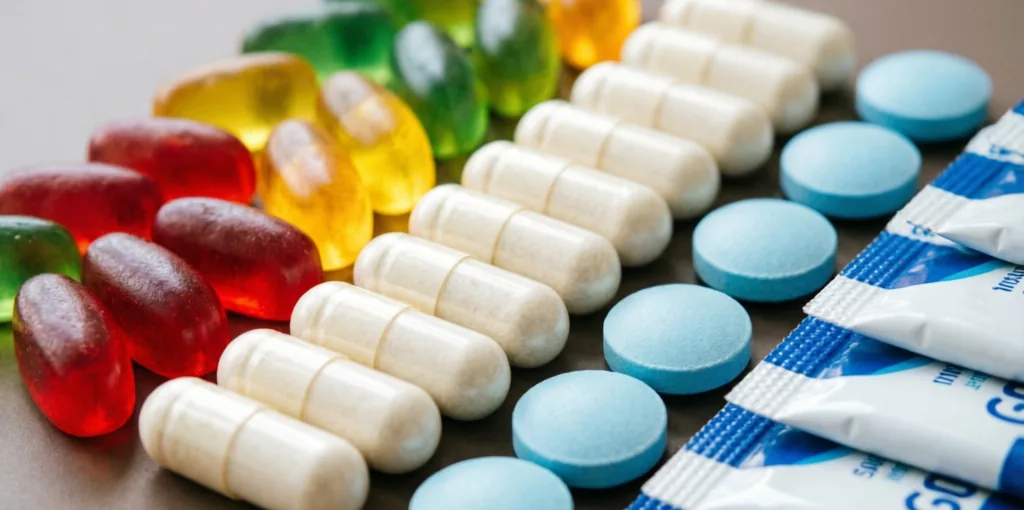
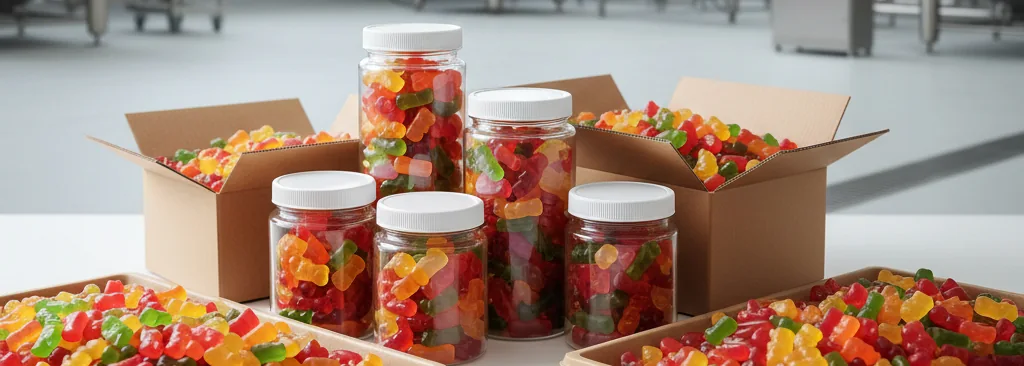
- Packaging (bottles, pouches, jars)
The uploaded document confirms a “100,000‑class cleanroom” and “daily output of 16 tons… annual capacity of 5,000 tons,” supporting large‑scale production.
Technical Parameters for Creatine Gummies
| Parameter | Specification |
|---|---|
| Active Ingredient | Creatine monohydrate (standard), other creatine forms optional |
| Creatine Content | 500–3000 mg per serving |
| Gelling System | Pectin, carrageenan, or gelatin |
| Sweetener Options | Sugar, sugar-free polyols, natural sweeteners |
| Flavor & Color | Fruit flavors, natural or synthetic colors |
| Gummy Weight | 3–6 g per piece |
| Shelf Life | 18–24 months (depending on packaging) |
| Packaging Formats | Bottles, pouches, jars, bulk bags |
Practical Insights for Scalable Production
Quality Control
- Use validated creatine assays
- Maintain moisture activity below target thresholds
- Ensure uniformity across batches
- Follow GMP and HACCP protocols
Manufacturing Scalability
- Choose a partner with high‑capacity equipment
- Confirm mold availability for custom shapes
- Ensure stable lead times for bulk orders
Regulatory Compliance
- Creatine is regulated differently across markets
- Labels must follow FDA, EFSA, or regional rules
- Claims must avoid therapeutic language
Cost Efficiency
- Pectin and carrageenan are more stable for global shipping
- Sugar‑free formulas require more R&D time
- Bulk purchasing reduces per‑unit cost
B2B Decision Guide: How to Choose a Creatine Gummy Manufacturer
1. Technical Capability
Look for:
- Experience with creatine dispersion
- Ability to produce high‑dosage gummies
- Access to pharmaceutical‑grade R&D labs
2. Manufacturing Capacity
Evaluate:
- Daily output
- Cleanroom standards
- Scalability for future growth
3. Compliance & Certifications
A strong partner should hold:
- GMP
- ISO22000
- HACCP
- HALAL / KOSHER
4. Customization Flexibility
A private label gummy manufacturer should offer:
- Custom flavors
- Custom shapes
- Sugar‑free options
- Branded packaging
5. Supply Chain Reliability
Check:
- Raw material sourcing
- Lead time stability
- Export experience
Conclusion
To create creatine gummies, brands must combine precise formulation, controlled manufacturing, and rigorous quality systems. Choosing a capable custom gummy manufacturer ensures product stability, compliance, and scalability from prototype to mass production.
FAQ
1. What is the typical creatine dosage in gummies? Most formulas range from 500–3000 mg per serving depending on market positioning.
2. Can creatine gummies be sugar‑free? Yes. Polyols and natural sweeteners allow stable sugar‑free formulations.
3. What gelling agents work best for creatine gummies? Pectin and carrageenan offer better heat stability for global shipping.
4. How long does it take to develop a custom creatine gummy? Prototype to production typically requires 4–8 weeks depending on testing.
5. Are creatine gummies suitable for private label? Yes. They are commonly produced through private label gummy programs with full customization.
6. What testing is required before launch? Active ingredient assay, microbial testing, stability testing, and packaging compatibility.
About Our Manufacturing Capabilities
As a large‑scale OEM/ODM supplement manufacturer, we provide full‑process support for brands seeking to launch creatine gummies. Our services include formulation development, custom design, mass production, private label programs, and global wholesale supply. With a 100,000‑class cleanroom, 10,000‑class R&D lab, and 5,000‑ton annual capacity, we support both small‑batch customization and high‑volume commercial manufacturing.