
Red Yeast Rice Capsules Introduction
Red yeast rice (RYR) has been a part of traditional Chinese medicine for over a millennium, and it is used for its supposed health benefits and as a culinary ingredient. Recently, its use has expanded into the realm of dietary supplements, particularly in the form of capsules. This comprehensive guide explores the origin, benefits, risks and regulatory aspects of red yeast rice capsules to provide a well-rounded understanding of this supplement.
What is Red Yeast Rice?
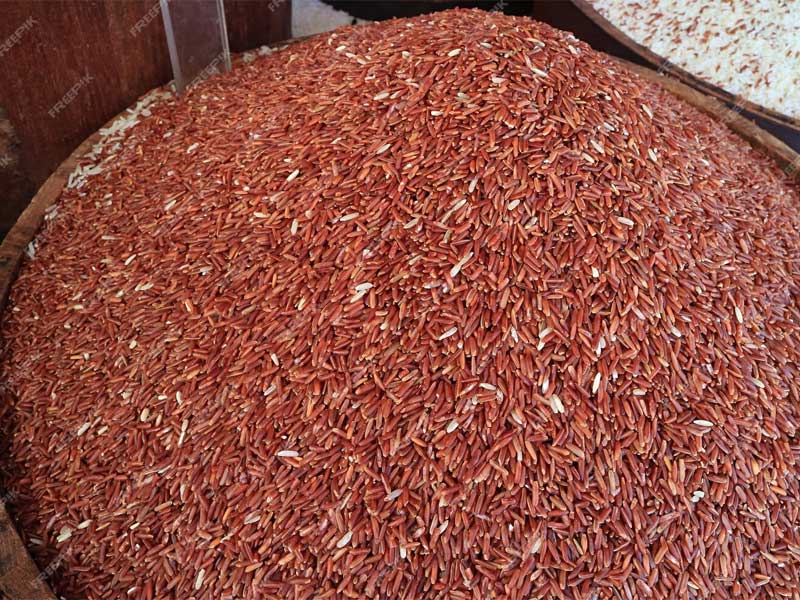
Red yeast rice is a fermented rice product made by growing a yeast “Monascus” on rice. This fermentation process gives the rice a distinct red color and results in the production of various bioactive compounds, including monacolin K, which is chemically identical to the active ingredient in some cholesterol-lowering medications.
Historical Background
The use of red yeast rice dates back to ancient China, where it served both as a food and as a traditional medicine. Historically, it was employed to aid digestion, improve circulation, and treat various ailments. Its popularity has endured for centuries, evolving into a modern dietary supplement due to its perceived benefits.
Active Compoundsand Benefits in Red Yeast Rice Capsules
Red yeast rice (RYR) is a traditional dietary supplement derived from the fermentation of rice by the yeast Monascus purpureus. It has been applied to centuries in Asian medicine and cuisine, primarily for its purported health benefits, including cholesterol management and cardiovascular support. The therapeutic effects of red yeast rice are attributed to a complex array of bioactive compounds.
Monacolin K
Monacolin K is the most well-known and studied active compound in red yeast rice. Chemically, monacolin K is identical to lovastatin, a prescription statin used to lower cholesterol levels. The mechanism of action of Monacolin K is through competitive inhibition of HMG-CoA reductase, which is crucial in the biosynthesis of cholesterol in the liver. Monacolin K works by competitively inhibiting HMG-CoA reductase. This inhibition reduces the production of cholesterol, particularly LDL (low-density lipoprotein) cholesterol, in the liver. Lowering LDL cholesterol is beneficial for reducing the risks of cardiovascular diseases, such as coronary artery disease, stroke, and heart attack. Clinical studies have demonstrated that red yeast rice containing monacolin K can significantly lower total cholesterol and LDL cholesterol levels. Some studies suggest that it is as effective as statin medications, although the extent of its effectiveness can vary depending on the formulation and dosage.
Monacins In Red Yeast Rice Capsules
Monacins are a group of compounds found in red yeast rice, including monacins A, B, C, and D. These compounds are related to monacolin K and contribute to the overall cholesterol-lowering effects of red yeast rice. Like monacolin K, monacins inhibit HMG-CoA reductase. While monacolin K is the most potent and well-characterized, other monacins also contribute to the inhibition of cholesterol synthesis. The combined effects of these compounds can enhance the overall impact of red yeast rice on cholesterol levels. Research on individual monacins is less extensive compared to monacolin K. However, the presence of multiple monacins in red yeast rice is thought to contribute to its effectiveness in managing cholesterol.
Sterols
Red yeast rice contains a variety of phytosterols, including beta-sitosterol (the most common), campesterol, and stigmasterol. These compounds are similar in structure to cholesterol. The principle of action of phytosterols is to compete with cholesterol for transmembrane transporters – intracellular and intracellular outflow, thereby reducing cholesterol. It has anti-inflammatory, cholesterol-lowering, and maintenance of cell membrane integrity.
Isoflavones
Isoflavones are a form of flavonoid found in red yeast rice. Notable isoflavones include genistein and daidzein. Isoflavones are known for their antioxidant and anti-inflammatory properties. They can help reduce oxidative stress and inflammation, which are factors involved in cardiovascular diseases. Additionally, isoflavones may have a mild impact on cholesterol levels and cardiovascular health. The effects of isoflavones on cholesterol levels are less pronounced compared to monacolin K. However, their antioxidant and anti-inflammatory properties contribute to overall cardiovascular health.
Pigments
The red color of red yeast rice comes from pigments such as monascorubrin and rubropunctatin. These pigments are produced during the fermentation process. Pigments in red yeast rice possess antioxidant properties. They help neutralize free radicals, reducing oxidative stress and cellular damage. While their primary benefit is related to antioxidant activity, this can indirectly support cardiovascular health. Research on the specific cardiovascular benefits of these pigments is limited. However, their antioxidant activity supports overall health and may contribute to the supplement’s efficacy.
Additional Bioactive Compounds
Unsaturated Fatty Acids: Some red yeast rice preparations contain unsaturated fatty acids, which are beneficial for heart health. These fatty acids can help lower LDL cholesterol and triglyceride levels.
Other Polyketides: In addition to monacolin K and monacins, red yeast rice may contain other polyketides with varying effects on lipid metabolism and cardiovascular health. These compounds contribute to the complex profile of bioactives in red yeast rice.
Clinical Evidence: The research on these additional compounds is less extensive. However, their presence adds to the overall potential benefits of red yeast rice.
Risks of Red Yeast Rice Capsules
Despite the fact that red yeast rice capsules have the effect of lowering cholesterol and protecting cardiovascular and cerebrovascular health, they still have certain risks.
Muscle Issues: Similar to statins, red yeast rice can cause muscle pain, weakness, or cramping (myalgia).
Liver Damage: High doses or prolonged use may result in liver problems. Regular liver function monitoring is advised.
Digestive Problems: Nausea, bloating, and diarrhea are possible.
Allergic Reactions: Rare but may include rash, itching, or swelling.
Medications Interactions: Can interact with cholesterol-lowering drugs, blood thinners, and certain antifungals, increasing the risk of adverse effects.
Supplements Interactions: May amplify the effects of other supplements with cholesterol-lowering properties.
Safety Concerns
Quality Variability: The potency and purity of red yeast rice can vary between products due to less stringent regulations compared to pharmaceuticals.
Quality Control: Reputable brands follow GMP to ensure product quality. Independent third-party testing can confirm the potency and purity of supplements.
Labeling Requirements: Products should clearly list ingredients, dosage, and any potential allergens. Accurate labeling helps consumers make informed choices.
Choose the right supplier
We implement a self-produced and self-sold business model. We have a 100,000-level clean workshop, and the R&D room is 10,000-level clean. We have the most advanced production equipment, such as fully automatic capsule machines, high-precision canning lines, fully automatic pill counting, etc., which have the advantages of high production capacity, strict quality control, and product traceability. We can produce products that are popular in the market, and can develop new customized products. We have our own R&D strength, consisting of expert academicians, chief scientists, doctors, masters and other biomedical professional teams. We can provide formula upgrades, the development of new formulas and new dosage forms, and the development of innovative packaging. At the same time, we have a professional design team for customers to design logos, labels, packaging boxes, packaging bags and other services. We cooperate with specialized international air and sea logistics companies. Whether it is minor orders by air or large orders by sea, freezers, and cold chains, we can provide timely, safe, and cost-effective logistics and transportation services.
Conclusion
Red yeast rice is a complex supplement containing a variety of active compounds that contribute to its health benefits. Monacolin K, as a statin-like compound, is the primary agent responsible for lowering cholesterol levels. Monacins, sterols, isoflavones, and pigments also play significant roles in supporting cardiovascular health through various mechanisms, including cholesterol reduction, antioxidant activity, and anti-inflammatory effects.
While red yeast rice has demonstrated effectiveness in managing cholesterol levels, it is important for users to be aware of potential side effects and interactions, especially if used in conjunction with other medications. Consulting with healthcare professionals before starting red yeast rice is advisable to ensure it is used safely and effectively. Understanding the active compounds and their mechanisms helps users make informed decisions about incorporating red yeast rice into their health regimen.