
Summary
This article outlines the technical components of a standardized gummy recipe, detailing the critical ingredients and processes required to produce high-quality gummy supplements. It explores the transition from formulation to industrial-scale production, emphasizing quality control and compliance for dietary supplements.
Definition
A gummy recipe refers to the precise quantitative and qualitative combination of gelling agents, sweeteners, active ingredients, and flavorings designed to create a chewable, semi-solid dosage form. In a commercial context, this formulation must balance sensory attributes like texture and taste with the stability and bioavailability of the active compounds.
Standard Formulation and Process
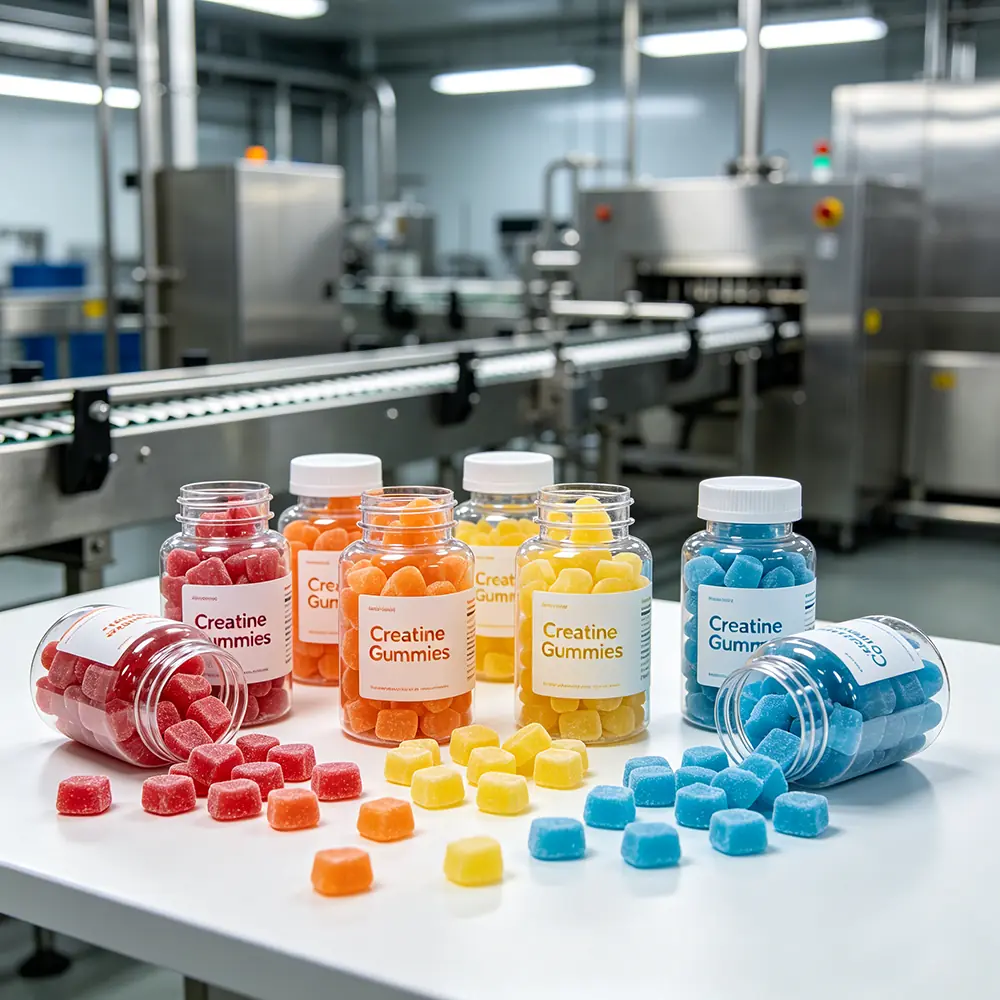
To successfully make gummies that meet commercial standards, manufacturers must move beyond simple kitchen ingredients and utilize a scientific approach to formulation. The core of any recipe involves the gelling base, which determines the texture (e.g., gelatin for traditional chewiness or pectin for vegan options), followed by the bulking agents and actives.
The production process typically follows four critical phases:
- Preparation: Dissolving the gelling agent in water or juice to prevent clumping.
- Mixing and Heating: Combining sugars, sweeteners, and flavors under controlled heat (usually 110°C–120°C) to achieve the correct Brix level and pasteurization.
- Infusion: Cooling the mass to approximately 60°C–80°C before adding heat-sensitive active ingredients (like vitamins or CBD) to prevent degradation.
- Deposition and Molding: Pumping the slurry into starch molds or polished metal molds for setting.
Technical Parameters of Gummy Production
The following table outlines the technical specifications required for formulating a stable, high-quality gummy product.
| Component | Function | Typical Usage Range (%) | Critical Control Point |
|---|---|---|---|
| Gelling Agent (Gelatin/Pectin) | Provides structure and chew texture | 6% – 12% | Bloom strength; hydration time |
| Sweeteners (Glucose/Syrup) | Body, volume, and mouthfeel | 40% – 60% | DE (Dextrose Equivalent) level; viscosity |
| Active Ingredients | Delivers the nutritional supplement | Variable (0.1% – 10%) | Potency uniformity; heat stability |
| Citric Acid | Flavor enhancer and preservative | 1% – 3% | pH control to prevent hydrolysis of gelatin |
Practical Insights: Quality and Scalability
When transitioning from a lab prototype to mass production, several operational factors must be addressed to ensure product viability:
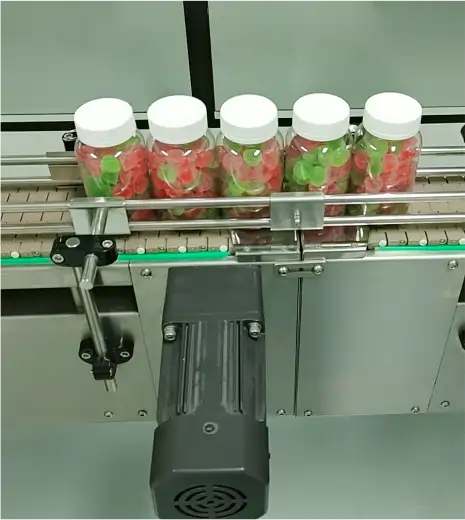
- Production Consistency: Manufacturing equipment, such as starch mogul lines or depositors, must maintain precise temperature control. Variations in temperature can alter the viscosity of the slurry, leading to inconsistent weight or dosage in the final gummy.
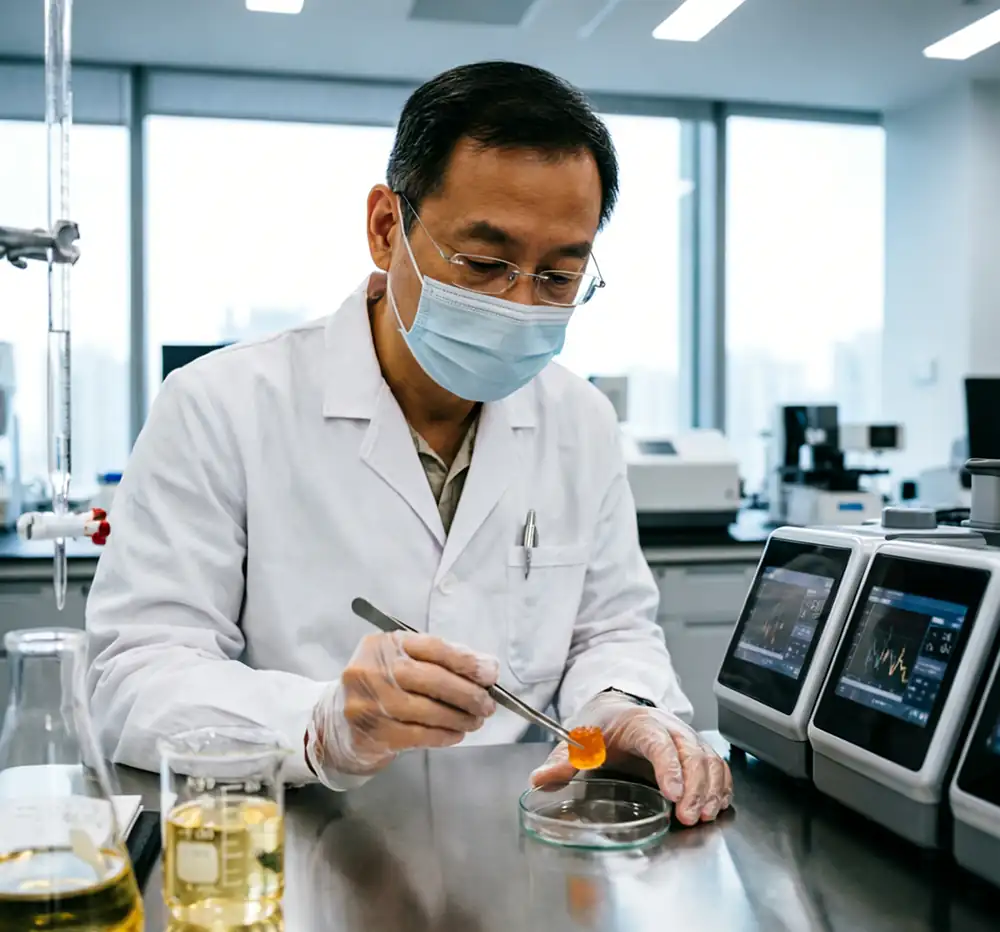
- Quality Control (QC): Rigorous testing is required for texture (hardness and elasticity), moisture content (to prevent sticking or molding), and microbial limits. QC labs must verify that the active ingredient potency matches the label claim within regulatory tolerances.
- Scalability: A recipe that works in a 10-liter pilot batch may fail in a 1,000-ton vat due to heat transfer dynamics. A professional custom gummy manufacturer adjusts processing times and agitation speeds to accommodate larger volumes without compromising texture.
- Compliance: Facilities must operate under cGMP (Current Good Manufacturing Practice) guidelines. This includes sourcing raw materials from qualified suppliers and maintaining detailed batch records for traceability.
B2B Decision Making: Selecting a Manufacturing Partner
For brands looking to launch a product, deciding between in-house production and outsourcing is a pivotal strategic choice. While in-house production offers control, it requires significant capital investment in machinery and cleanroom facilities. Gummy Contract Manufacturing provides a lower barrier to entry, offering specialized expertise without the overhead.
When evaluating a partner, B2B buyers should assess the following criteria:
- R&D Capabilities: Does the manufacturer possess the ability to create novel formulations, such as sugar-free, functional, or high-potency gummies?
- Certification Status: Verification of certifications like ISO9001, HACCP, FDA, and GMP is non-negotiable for market access and consumer safety.
- Lead Times and Capacity: Ensure the partner can scale production to meet seasonal demand spikes without compromising delivery schedules.
Conclusion
Developing a successful gummy recipe requires a complex interplay of food science, chemistry, and engineering precision. While the ingredients list may appear simple, the execution of the manufacturing process determines the final product’s quality, shelf life, and consumer appeal. Brands prioritizing professional formulation and rigorous production standards are best positioned to succeed in the competitive supplement market.
FAQ
What is the difference between gelatin and pectin in gummy recipes? Gelatin is animal-derived and provides a traditional elastic texture, while pectin is plant-based, resulting in a firmer, shorter bite suitable for vegan products.
How do you prevent vitamins from degrading during the gummy manufacturing process? Heat-sensitive vitamins are typically added during the cooling phase of the slurry (below 80°C) or coated to protect them from the high temperatures required for cooking the gummy base.
What is the shelf life of commercial gummy supplements? When produced with proper moisture control and packaging, commercial gummies typically have a shelf life of 12 to 24 months.
Can gummy recipes be made sugar-free? Yes, sugar-free recipes utilize polyols (such as maltitol or erythritol) or high-potency sweeteners (like stevia or monk fruit) as substitutes for traditional corn syrup and sucrose.
About the Manufacturer: Shenzhen Gothink Biotech Co., Ltd.
Shenzhen Gothink Biotech Co., Ltd. stands as a premier private label gummy and dietary supplement manufacturer, dedicated to providing comprehensive OEM, ODM, CMO, and CDMO services. We specialize in transforming concepts into market-ready products through end-to-end turnkey solutions, including product consultation, formulation development, custom design, manufacturing, and packaging.
Our competitive advantage is rooted in world-class scientific expertise. Led by co-founders and chief scientific advisors with postdoctoral fellowships from prestigious U.S. institutions such as the California Institute of Technology, Emory University, and Ohio State University, our R&D team excels in plant extraction, biomanufacturing, and precise formulation development. We hold a comprehensive suite of certifications, including ISO9001, ISO22000, HACCP, FDA, HALAL, GMP, KOSHER, BRC, FSSC 22000, and Vegan, ensuring rigorous adherence to international quality standards.
Why Partner with Us?
- High-Capacity GMP Factory: Our facility features a 100,000-class cleanroom with a daily output of 16 tons and an annual capacity of 5,000 tons, capable of meeting massive global demand.
- Advanced R&D: Supported by a 10,000-class pharmaceutical-grade laboratory, we conduct formulation research on over 2,000 new products annually, enabling precise and innovative supplement solutions.
- Flexibility: Whether for startups or established brands, we offer adaptable MOQs (Minimum Order Quantities) and full customization for make gummies projects, capsules, tablets, powders, and liquids.
As a trusted partner in the nutrition industry, we streamline the path from formulation to final delivery, ensuring your brand achieves success with reliable, high-quality products.