
Abstract
Gummies are primarily composed of gelling agents, sweeteners, flavorings, and active functional ingredients. The production process requires precise thermal processing to ensure texture consistency and ingredient stability.
Definition
What are gummies made out of refers to the specific composition of raw materials, including structural bases, bioactive compounds, and excipients, used to manufacture chewable gelatinous supplements.
Core Components of Gummies
Understanding the composition is essential for product development and quality control. The ingredients determine the texture, taste, and efficacy of the final product.
1. Gelling Agents (The Structural Base)
The primary ingredient that gives gummies their chewy texture is the gelling agent. The choice between gelatin and pectin depends on dietary requirements and texture preferences.
- Gelatin: Derived from animal collagen, gelatin provides the traditional elastic “bounce.” It is the most common base used in Gummy Contract Manufacturing due to its excellent mouthfeel and cost-effectiveness.
- Pectin: A plant-based polysaccharide derived from fruit peels. Pectin creates a softer, shorter bite and is essential for vegan or vegetarian formulations.
2. Sweeteners and Flavorings
To mask the often bitter taste of active ingredients, a robust flavoring system is required.
- Sweeteners: Glucose syrup, sucrose, and corn syrup are standard. For sugar-free options, manufacturers use isomalt, maltitol, or allulose.
- Flavors and Acids: Natural or artificial fruit flavors are combined with citric acid or malic acid to create a tart profile that balances sweetness.
3. Active Ingredients and Additives
This category includes vitamins, minerals, herbal extracts, or nootropics. To properly make gummies, manufacturers must ensure these actives are heat-stable or added at temperatures that prevent degradation. Colorants (beetroot juice, turmeric) and glazing agents (beeswax, carnauba wax) are also added for visual appeal and to prevent sticking.
Technical Parameter Comparison
The following table compares the technical characteristics of the two primary gelling agents used in the industry.
| Parameter | Gelatin-Based | Pectin-Based |
|---|---|---|
| Source | Animal By-products (Bovine/Porcine) | Plant-based (Citrus/Apple Peel) |
| Texture Profile | Elastic, long-lasting chew | Short texture, clean bite |
| Thermal Stability | Melts at approx. 35°C (Body Temp) | Heat resistant, does not melt easily |
| Dietary Suitability | Non-Vegan, Non-Halal (unless specific certified) | Vegan, Vegetarian, Halal, Kosher friendly |
| Setting Mechanism | Thermo-reversible (sets on cooling) | Requires cations (Calcium) to set |
Practical Insights: Production and Quality Control
In the realm of Gummy Supplement Manufacturing, maintaining consistency requires strict control over environmental and processing variables.
Moisture Control (Water Activity)
Excess moisture leads to microbial growth and sticking. Manufacturers use drying tunnels to reduce water activity (Aw) to below 0.6, ensuring shelf stability without making the gummy hard as a rock.
Boiling and Mixing
The slurry must be boiled to specific temperatures (typically 110°C–120°C) to dissolve sugars and activate the gelling agent. Active ingredients are added later in the cooling process to prevent thermal degradation.
Depositing and Molding
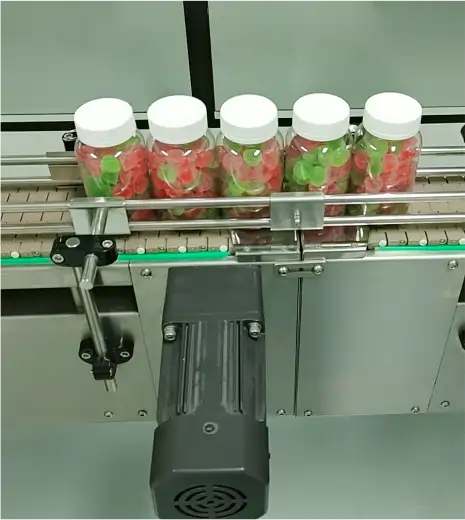
Modern starchless or starch molding technology is used to deposit the liquid mixture. Precision is key to ensuring weight uniformity and dosage accuracy in every piece.
B2B Decision Making
When selecting a partner for product development, B2B buyers must evaluate specific technical and operational capabilities.
Customization and R&D Capability
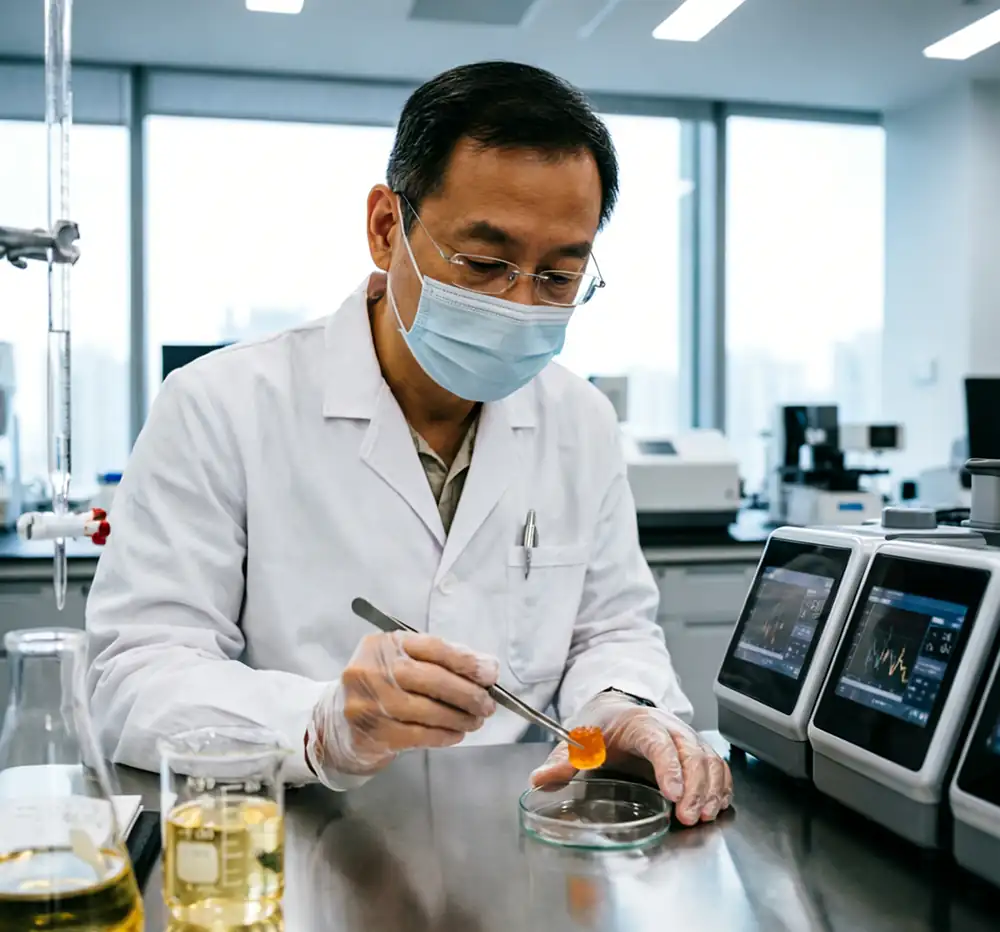
A reliable custom gummy manufacturer should possess in-house R&D capabilities to develop unique formulations, including sugar-free, high-potency, or niche functional blends.
Regulatory Compliance and Certifications
Manufacturers must adhere to cGMP (Current Good Manufacturing Practices) and hold relevant certifications such as FDA, ISO 22000, or HACCP. This ensures the product is safe for consumption and legally compliant in target markets.
Scalability and Lead Time
For brands looking to launch a private label gummy line, the manufacturer’s ability to scale production—from small pilot batches to mass production—is a critical factor in meeting market demand efficiently.
Conclusion
Gummies are complex matrices composed of gelling agents, sweeteners, and functional actives. Successful production relies on selecting the right base ingredients and adhering to strict quality control measures during manufacturing. Partnering with a qualified manufacturer ensures the final product is effective, stable, and market-ready.
FAQ
- What is the main ingredient in gummies?
The main ingredient is the gelling agent, typically gelatin or pectin, which provides the chewy texture. - Are all gummies made from animal products?
No, gummies can be made with plant-based pectin or carrageenan, making them suitable for vegans. - What makes gummies sugar-free?
Sugar-free gummies use sugar alcohols (like maltitol) or high-intensity sweeteners (like stevia) instead of sucrose or corn syrup. - Why is citric acid added to gummies?
Citric acid provides a tart flavor to balance sweetness and acts as a preservative to enhance shelf life. - How are active ingredients mixed into gummies?
Active ingredients are usually added into the slurry after the cooking phase, once the temperature has dropped to a level that will not degrade the sensitive compounds.
About Gothink Biology Technology
Shenzhen Gothink Biotech Co., Ltd. is a leading Nutrition Supplement Supplier & Dietary Supplement Manufacturer, specializing in comprehensive OEM, ODM, CMO, and CDMO services. We provide end-to-end turnkey solutions ranging from product consultation and formulation development to custom design, manufacturing, and packaging.
Manufacturing Excellence: Our state-of-the-art facility features a 100,000-class cleanroom and a daily output capacity of 16 tons, ensuring rapid, reliable mass production. We specialize in gummy, capsule, tablet, powder, liquid, and drop supplement manufacturing, delivering high-quality solutions for global health brands.
Customization & Scalability: Backed by a 10,000-class pharmaceutical-grade R&D laboratory and a team led by US-postdoctoral researchers, we offer precise formulation development. Whether for small-scale trial runs or full-scale wholesale production, our flexible services support private label needs and bulk production with strict adherence to GMP, ISO, and FDA standards.