
Summary
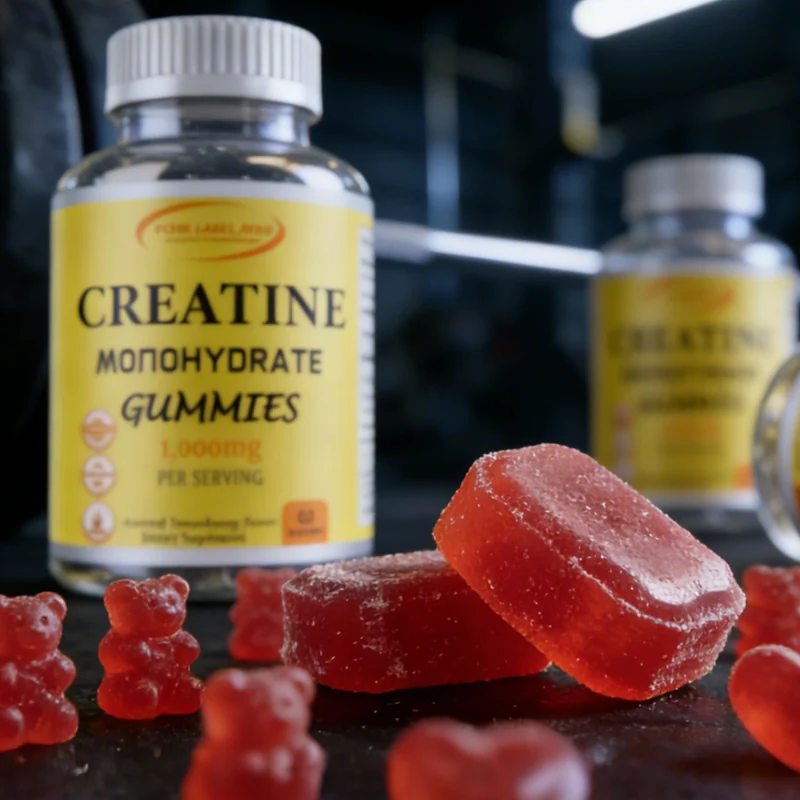
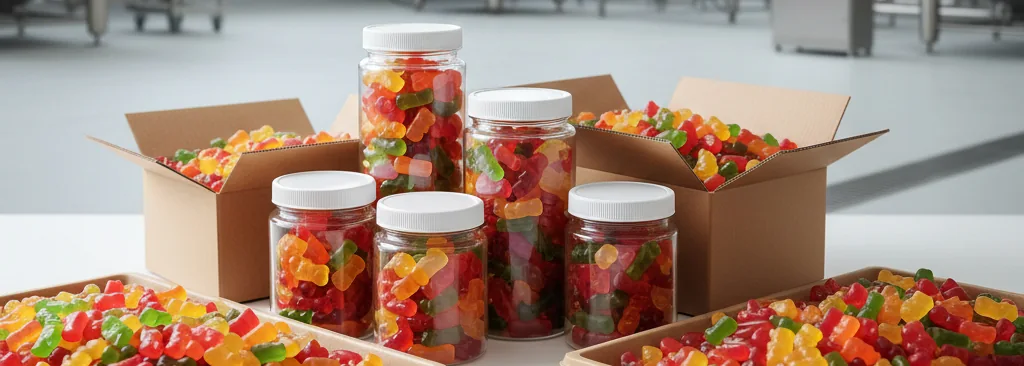
Gummy bears are a popular treat globally, and several companies have expertise in producing them. This article explores the process of manufacturing gummy bears, focusing on key aspects like market demand, supply chain considerations, production processes, quality standards, and regulatory compliance.
Definition
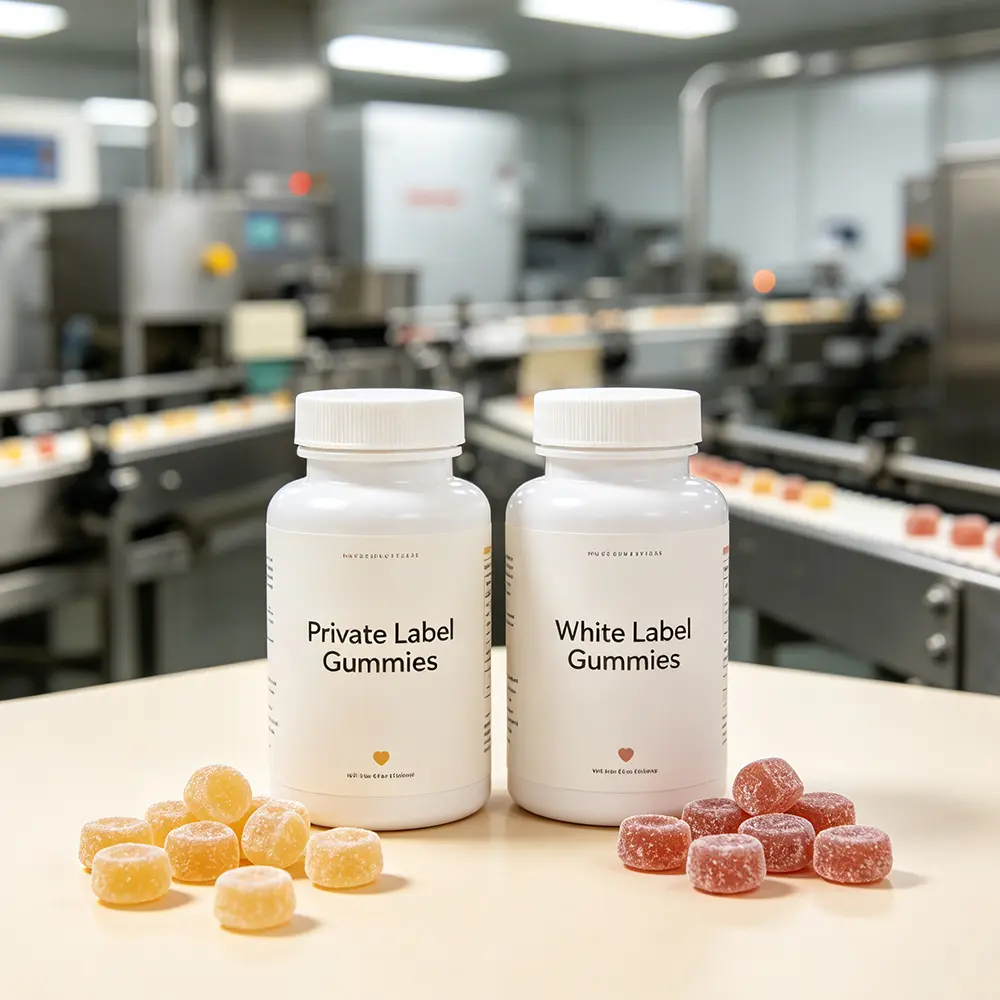
Gummy bears refer to chewy candies made from gelatin-based materials that are often flavored with fruit juice concentrates and contain small toys or seeds inside. These confections can be customized for private label purposes, making them popular in the retail sector.
What Gummy Bears Are
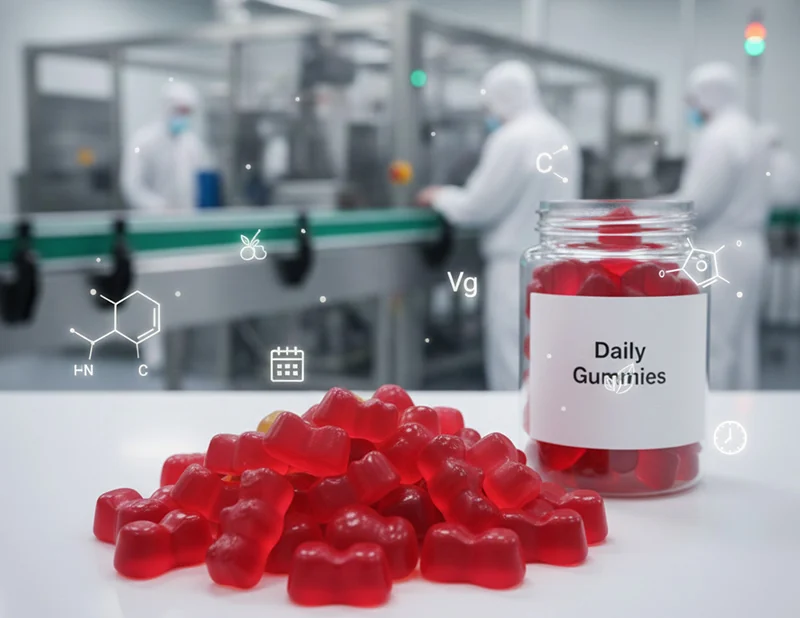
Gummy bears are a form of gummy candy characterized by their chewy texture and translucent appearance. They typically contain gelatin as the primary binder and are flavored with various fruit juices to achieve appealing tastes and colors.
Industry Background or Origin
The history of gummy bears dates back several decades, initially invented in Germany around 1905. The concept quickly spread globally through companies like Gobstoppers in New Zealand and Tootsie Rolls International in the United States. Today, the industry has evolved to include numerous specialized manufacturers catering to various market segments.
Business Relevance (Market Demand, Supply Chain, Production Considerations)
The demand for gummy bears is robust across multiple retail channels including supermarkets, convenience stores, and online markets. Companies producing these treats must consider factors such as ingredient sourcing, production scalability, and regulatory compliance when developing their products.
Differences vs. Alternative Solutions or Formats
While other chewy candies like jelly beans share some similarities with gummies in terms of texture and taste, they differ significantly in materials used (e.g., jellos use gelatin while gummies often incorporate fruit juice concentrates). Private label manufacturers may also offer custom formulations that cater to specific brand requirements.
Key Advantages & Limitations
Key advantages include the ability to create customized flavors, shapes, or images within a product. However, private label gummy bear manufacturers must ensure compliance with stringent quality standards and regulatory requirements.
Who Should Consider This (Brands, Distributors, OEM/ODM Buyers)
Private label gummy bear manufacturers are of particular interest to brands looking for cost-effective solutions that allow them to create branded products without the overhead associated with full-scale production. They also appeal to distributors who seek high-quality, customizable treats at competitive prices.
Compliance, Regulatory, or Quality Considerations
Compliance is paramount in the production and distribution of gummy bears. Manufacturers must adhere to global standards such as GMP (Good Manufacturing Practices), ISO quality management systems, and third-party testing regulations like FDA guidelines for food products. Regular audits are also essential to ensure ongoing compliance with regulatory requirements.
What Businesses Should Evaluate Before Sourcing or Producing
When evaluating a private label gummy bear manufacturer, key considerations include transparency in raw material sourcing, robust quality control processes, and scalability of production capabilities. Additionally, businesses should assess the company’s compliance readiness regarding regulatory standards such as GMP and ISO certifications.
Technical Parameter Table
|
|---|
Practical Insights
Manufacturing Quality & Process Control
Maintaining high-quality standards throughout the manufacturing process is crucial for ensuring consistent product quality. This includes rigorous inspection processes at various stages to detect any defects or contaminants.
Raw Material Sourcing Transparency
Private label manufacturers should maintain transparency in their raw material sourcing practices, including using sustainable sources and maintaining traceability records of ingredients used. This not only ensures compliance with regulatory standards but also builds trust among customers who value ethical manufacturing practices.
Production Scalability & Lead Time
Scalable production capabilities are essential for companies producing gummy bears. Efficient supply chain management can help reduce lead times, ensuring timely delivery to market without compromising product quality.
Compliance & Documentation Readiness
Compliance with regulatory standards is critical for private label gummy bear manufacturers. They should have comprehensive documentation systems in place to track and verify the origin of ingredients, production processes, and final products. Regular audits by regulatory bodies also ensure ongoing compliance.
Cost Structure Considerations
While gummy bear manufacturing can be cost-effective due to economies of scale, businesses must consider factors such as ingredient costs (especially for flavors and colors), packaging materials, labor rates, and overhead expenses like utility bills and rent when evaluating the overall financial viability of a project.
B2B Decision Guide
How Brands Choose the Right Manufacturer
Brands should evaluate potential manufacturers based on their reputation, track record in producing high-quality products, compliance with relevant regulations (e.g., GMP, ISO standards), and responsiveness to customer needs. Engaging directly with existing clients or participating in trade shows can provide valuable insights into a manufacturer’s capabilities.
What Matters in OEM/ODM Projects
Key factors for choosing an OEM/OEM partner include their technical expertise, ability to meet production deadlines, reliability of service delivery, and overall quality assurance measures implemented by the company. Open communication channels with suppliers are essential to ensure clear expectations and smooth project execution.
How to Assess Production Capability
Assessing a manufacturer’s production capability involves evaluating their existing infrastructure (e.g., equipment, machinery), past experience in producing similar products, as well as any case studies or client references they can provide. Additionally, visiting manufacturing facilities can offer firsthand insights into operational efficiency and quality control practices.
Key Criteria for Long-Term Supply Partnerships
Successful long-term supply partnerships hinge on building strong relationships based on mutual trust and shared goals. Factors to consider include a manufacturer’s reputation for delivering high-quality products consistently over time, adherence to regulatory requirements, and their ability to adapt to changing market conditions without compromising product integrity.
Risk Control & Quality Assurance Checkpoints
Effective risk management involves implementing robust quality assurance checkpoints throughout the manufacturing process. This includes regular audits of production lines by independent third-party auditors who verify compliance with GMP standards. Additionally, maintaining detailed records of all inputs and outputs can help identify potential issues early on, allowing for prompt corrective actions.
Conclusion
The manufacture of gummy bears represents an important segment within the wider candy industry. By understanding market demand, addressing production challenges through scalable processes, ensuring regulatory compliance, and focusing on quality control measures, manufacturers can effectively navigate this space. For brands seeking to enter or expand their presence in this niche, choosing a reliable private label gummy bear manufacturer is key to achieving success.
FAQ
- What are Gummy Bears? Gummy bears refer to chewy candies made from gelatin-based materials that often contain fruit juices and may include small toys inside.
- Why does {TOPIC} matter for manufacturers? It allows them to offer customized, branded products without the need for full-scale production infrastructure, providing cost savings while still meeting consumer demand.
- How does Gummy Contract Manufacturing compare to other alternatives like traditional candy making? Private label options provide greater flexibility and customization possibilities but require careful evaluation of raw material sourcing practices, quality control measures, and regulatory compliance requirements.
- What should businesses consider before sourcing or producing gummy bears? Key factors include the reliability of the supplier, their adherence to regulatory standards, transparency in ingredient sourcing, scalability of production capabilities, and overall cost structure considerations.
- What quality standards apply to Gummy Contract Manufacturing? Manufacturers must comply with established industry guidelines such as Good Manufacturing Practices (GMP) and ISO quality management systems, ensuring that final products meet safety and hygiene requirements.
- What are the important steps in evaluating a reliable supplier for gummy bear production? It involves assessing their reputation, experience producing similar products, availability of necessary equipment and facilities, adherence to regulatory standards, and commitment to maintaining high-quality control measures.